
Vertical Dramas vs Traditional TV Series: What Are the Differences?
The way people consume entertainment has changed dramatically in recent years. Instead of spending hours in front of a television, many viewers now prefer short, mobile-friendly content. One of the biggest trends emerging from this shift is the rise of vertical series. But how do vertical series differ from traditional TV shows? Let's take a closer look.
What Is a Vertical Series?
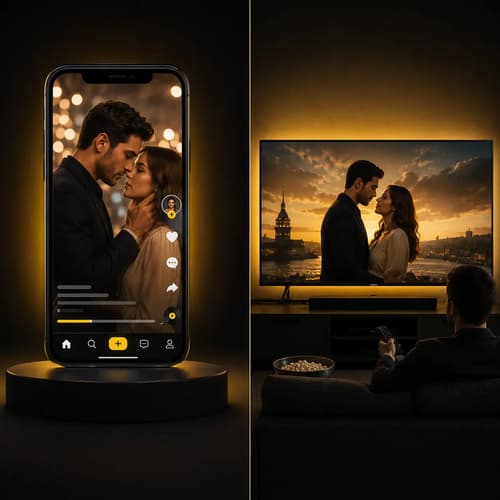
A vertical series is designed specifically for smartphones and viewed in portrait mode. Viewers do not need to rotate their devices, making the experience more convenient and mobile-friendly. Episodes are usually very short, often lasting between one and three minutes, with stories moving quickly to keep audiences engaged.
What Is a Traditional TV Series?
A traditional TV series is produced primarily for television screens, computers, and streaming platforms. These shows are filmed in landscape format and typically feature longer episodes. Traditional series focus on detailed storytelling, character development, and immersive narratives.
Key Differences Between Vertical Series and Traditional TV Series
1. Viewing Experience
Vertical series are optimized for smartphones and portrait viewing. Traditional TV series are designed for larger screens and landscape orientation.
2. Episode Length
Episodes of vertical series usually last only a few minutes. Traditional TV series often range from 30 minutes to over an hour per episode.
3. Storytelling Style
Vertical series focus on fast-paced storytelling, dramatic moments, and cliffhangers that encourage binge-watching. Traditional series often spend more time building characters and long-term story arcs.
4. Viewing Habits
Many people watch shorts and vertical series during commutes, breaks, or spare moments throughout the day. Traditional series are usually watched during dedicated leisure time.
5. Production Process
Because episodes are shorter, vertical series can often be produced faster and at lower budgets. Traditional productions typically require larger teams, longer schedules, and greater investment.
Why Are Vertical Series Becoming So Popular?
The popularity of TikTok, Instagram Reels, YouTube Shorts, and other mobile-first platforms has changed audience behavior. As viewers increasingly consume content on smartphones, vertical series have emerged as a natural evolution of digital storytelling.
Conclusion
While traditional TV series continue to offer rich storytelling and deep character development, vertical series provide a faster, more mobile-friendly entertainment experience. Both formats appeal to different audiences and are expected to remain important parts of the digital entertainment industry in the years ahead.

FENOGRAM
News, trends and recommendations from the world of digital content.