
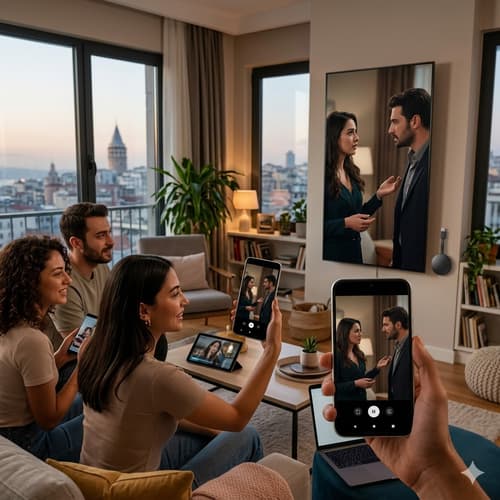
What is a Vertical Series? How to Watch It?
In recent years, digital content consumption habits have undergone a massive transformation. Instead of traditional television series with long episodes, people now prefer shorter, faster, and mobile-first content. With the rise of TikTok, Instagram Reels, and YouTube Shorts, one of the newest emerging trends is vertical series (vertical dramas). This new content format, consumed by millions on their phone screens every day, has rapidly become a booming industry, particularly in America, China, South Korea, and Europe. So, what exactly is a vertical series, why has it become so popular, and how can you watch it?What is a Vertical Series?
A vertical series consists of short-episode drama content shot or edited in a 9:16 vertical format, tailored specifically for smartphone screens. While traditional series are usually produced in a horizontal (16:9) format suitable for television or computer screens, vertical series are created with mobile users directly in mind. The primary goal of these contents is to hook the viewer into the story within the first few seconds and keep their curiosity alive throughout the episodes. Vertical series typically feature:- Episodes ranging from 30 seconds to 3 minutes.
- Fast-paced storylines.
- Strong cliffhangers at the end of every episode.
- Easy, one-handed viewing on mobile devices.
- A focus on creating a high emotional impact in a short amount of time.
Why Are Vertical Series So Popular?
Today, people's attention spans have significantly decreased compared to previous years. Many users consume series content:- During work breaks,
- On public transportation,
- During coffee breaks,
- Before going to bed,
- During short gaps throughout the day.
1. Mobile-First Design
The content is tailored directly to the phone screen. It can be watched without needing to rotate the screen, which makes the user experience incredibly seamless.2. Fast-Paced Storytelling
In traditional series, it can sometimes take hours for a plotline to develop. In vertical series, however, events unfold much faster. Within the very first minutes, attention-grabbing elements such as:- Love,
- Betrayal,
- Mystery,
- Drama,
- Revenge,
- Shocking developments
3. Quick to Consume
Watching an episode often takes as little time as scrolling through a social media video. Because of this, users can easily consume dozens of episodes throughout the day.4. Keeps Curiosity Constantly Alive
Vertical series producers use a powerful cliffhanger at the end of every single episode.What will happen in the next episode?The audience keeps watching just to find out the answer to this question.
Differences Between Vertical Series and Traditional Series
| Feature | Vertical Series | Traditional Series |
|---|---|---|
| Format | 9:16 | 16:9 |
| Viewing Device | Smartphone | TV, Tablet, Computer |
| Episode Duration | 30 seconds - 3 minutes | 30 - 120 minutes |
| Story Pace | Very fast | More detailed |
| Consumption Style | Binge-watching | Planned viewing |
| Goal | Quick engagement | Long-term viewership |
Most Popular Genres in Vertical Series
Romantic Drama
Love stories, misunderstandings, and surprise relationships.CEO and Billionaire Stories
Particularly popular in the American and Asian markets.Revenge Stories
Plots where the main character seeks to right the wrongs and injustices they have faced.Mystery and Thriller
Gripping scripts that offer new clues in every episode.Youth and College Series
Fast-paced stories that appeal to a younger audience.Fantasy and Supernatural Stories
Themes involving werewolves, vampires, wizards, and alternate universes.How to Watch Vertical Series?
Watching vertical series is quite simple.- Sign up for the platform.
- Select the series you are interested in.
- Watch the episodes sequentially.
- Proceed to subsequent seasons if desired.
Vertical and Horizontal Mini-Series on Fenogram
In line with next-generation viewing habits, Fenogram offers both vertical series and horizontal mini-series. While vertical content is optimized for mobile users, horizontal content provides a more cinematic experience on television, tablet, and computer screens. However, even though the formats differ, the core logic remains the same:- Fast-paced storytelling
- Short and gripping episodes
- Intriguing scenes
- High tempo
- Easy-to-consume content
The Future of Vertical Series
With the rise of short-form video content, vertical series continue to grow rapidly worldwide. Driven by increasing mobile usage rates, the advancement of AI-powered production tools, and users' habits of consuming content quickly, this format is expected to become even more widespread in the coming years. Many experts believe that vertical series have become a permanent fixture of the digital entertainment industry.Conclusion
Vertical series are a next-generation storytelling format shaped by the needs of the mobile era. With their short episodes, fast tempo, and gripping nature, they are preferred by millions of users. Fenogram, by offering this experience to a wider audience through both vertical and horizontal mini-series, creates a perfect alternative tailored to modern content consumption habits. If you want to discover powerful stories in a short amount of time, Fenogram's next-generation mini-series might be just what you are looking for.
FENOGRAM
News, trends and recommendations from the world of digital content.