
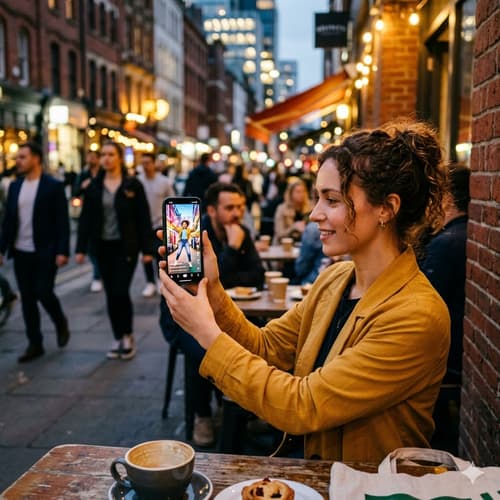
Why Have Vertical Series Become So Popular?
Over the past few years, the entertainment industry has undergone a major transformation. While people once spent hours watching television, most content consumption now happens on smartphones. As attention spans become shorter, mobile usage continues to grow, and social media habits evolve, a new entertainment format has emerged: vertical series.
What started as a niche trend, particularly in Asian markets, has rapidly expanded across Europe, North America, and other regions worldwide. Today, millions of people watch vertical dramas, short-form series, and mobile-first storytelling content every day.
But why have vertical series become so popular? Why are viewers increasingly choosing short vertical episodes over traditional television shows and movies?
The answer lies in the way modern audiences consume content.
Mobile Usage Is Higher Than Ever
Today's internet traffic is dominated by mobile devices. People no longer consume most of their entertainment while sitting in front of a television or computer. Instead, they watch content while commuting, waiting in line, taking a break at work, or relaxing in bed.
Traditional television shows and movies were not designed for this type of consumption. Most require viewers to rotate their phones horizontally and dedicate a significant amount of time to a single episode.
Vertical series solve this problem perfectly.
Designed specifically for smartphones, they allow viewers to watch comfortably without rotating their devices. The content fills the entire screen, creating a more immersive and natural mobile viewing experience.
This mobile-first design is one of the biggest reasons behind the format's rapid growth.
They Match Modern Attention Spans
In the digital age, attention has become one of the world's most valuable resources.
With endless streams of content available on social media platforms, users are constantly exposed to new videos, stories, and entertainment options. As a result, audiences expect content to capture their interest almost immediately.
Traditional television shows often take several episodes to develop characters and storylines. Vertical series, however, have only a few seconds to grab attention.
Most successful vertical dramas introduce conflict, suspense, or emotional tension within the first 10 to 20 seconds. Viewers quickly understand the premise and become curious about what happens next.
This fast-paced storytelling style perfectly aligns with modern viewing behavior.
Social Media Changed How People Consume Stories
The rise of TikTok, Instagram Reels, and YouTube Shorts has fundamentally changed audience expectations.
People have become accustomed to:
- Fast-moving content
- Vertical video formats
- Instant entertainment
- Short viewing sessions
- Continuous content discovery
Vertical series build upon these habits.
In many ways, social media prepared audiences for the rise of vertical storytelling. Users were already spending hours consuming short-form videos. Vertical series simply added professional storytelling, compelling characters, and episodic narratives to a format people already loved.
As a result, the transition felt natural for millions of viewers.
Every Episode Creates Curiosity
One of the strongest features of vertical series is their ability to keep audiences engaged.
Traditional television episodes may last anywhere from 30 minutes to several hours. Vertical series episodes typically range from one to three minutes.
Because of their short duration, creators focus heavily on ending each episode with a strong hook or cliffhanger.
For example:
- A shocking secret is about to be revealed.
- A romantic confession is interrupted.
- A betrayal comes to light.
- A major conflict begins.
- A mysterious character appears.
These moments encourage viewers to immediately continue watching.
Psychologically, people dislike unfinished stories. Vertical series take advantage of this natural tendency by creating constant curiosity and anticipation.
They Fit Into Busy Lifestyles
Modern life is increasingly fast-paced.
Many people struggle to find enough time for long-form entertainment due to work, school, family responsibilities, and other commitments.
Watching a two-hour movie or a one-hour television episode often requires dedicated free time. Vertical series, on the other hand, can be enjoyed almost anywhere.
Viewers can watch several episodes while:
- Riding public transportation
- Waiting for an appointment
- Taking a lunch break
- Standing in line
- Relaxing between tasks
This convenience makes vertical series highly accessible and easy to integrate into daily routines.
Younger Audiences Prefer New Formats
Younger generations, particularly Gen Z, have grown up in a digital-first environment.
Unlike previous generations, they are less attached to traditional television schedules and viewing habits.
They prefer content that is:
- Mobile-friendly
- Fast-paced
- Easily accessible
- Interactive
- Personalized
Vertical series naturally appeal to these preferences.
For many younger viewers, the smartphone has become the primary entertainment device. As a result, content specifically designed for mobile screens feels more relevant and engaging than traditional formats.
Storytelling Is Becoming More Efficient
Another reason for the popularity of vertical series is the efficiency of their storytelling.
Because episodes are short, writers and directors focus only on the most important moments. There is little room for filler content or unnecessary scenes.
Every minute serves a purpose.
This creates a viewing experience that feels dynamic, emotionally engaging, and constantly progressing.
Many viewers appreciate this efficiency because it allows them to experience complete story arcs without investing dozens of hours.
Production and Distribution Are Faster
From an industry perspective, vertical series also offer advantages for creators and platforms.
Traditional television productions often require:
- Large budgets
- Extensive production teams
- Long filming schedules
- Complex distribution processes
Vertical series can often be produced more efficiently and released more quickly.
This allows creators to experiment with new ideas, respond to audience feedback faster, and adapt content strategies in real time.
As a result, the entire content ecosystem becomes more agile and innovative.
A Global Entertainment Trend
What began as an emerging entertainment category has evolved into a global phenomenon.
Millions of users now watch vertical dramas every day, and investment in the sector continues to grow rapidly. Production companies, streaming platforms, and technology startups are increasingly focusing on mobile-first entertainment experiences.
Industry experts believe vertical storytelling will continue expanding as smartphone usage increases worldwide and audiences demand more convenient content formats.
The growth of vertical series is not simply a temporary trend—it reflects a broader shift in how people consume entertainment.
The Future of Entertainment May Be Vertical
While traditional television shows and movies will continue to play an important role in entertainment, vertical series have established themselves as a major new category.
Their success is driven by several powerful factors:
- Mobile-first design
- Shorter attention spans
- Social media habits
- Faster storytelling
- Greater accessibility
- Convenience for modern lifestyles
As technology evolves and audience behavior continues to change, vertical series are likely to become an even more significant part of the global entertainment industry.
Conclusion
The popularity of vertical series is no accident. They emerged at the perfect moment to meet the needs of modern audiences who consume content primarily through smartphones.
By combining engaging storytelling, short episodes, mobile-friendly viewing, and constant suspense, vertical series have created a format that feels perfectly suited for today's digital world.
As more viewers embrace mobile entertainment, vertical series are expected to become one of the fastest-growing segments of the streaming industry, shaping the future of how stories are told and experienced around the world.

FENOGRAM
News, trends and recommendations from the world of digital content.